

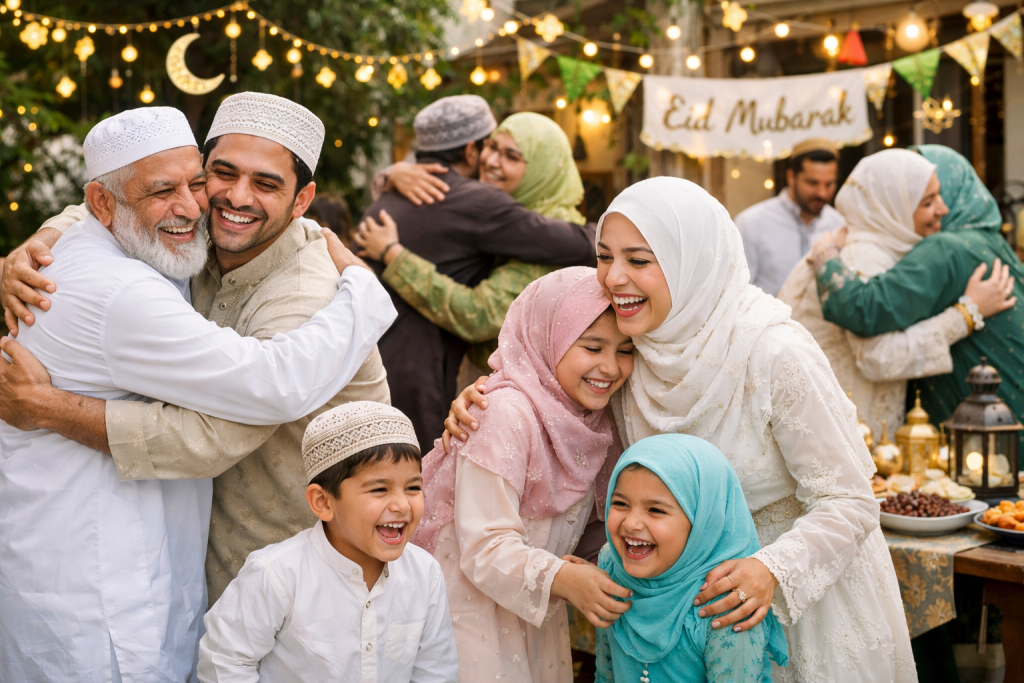
In the heart of Southeast Asia—home to some of the world’s largest Muslim populations—there is a celebration that transcends simple festivity. Eid al-Fitr, marking the end of the holy month of Ramadan, is a profound period of spiritual triumph, immense gratitude, and, most importantly, the beautiful act of seeking and granting forgiveness.
The Spiritual Significance: A Month of Discipline
To understand Eid, one must understand the month that precedes it. Ramadan is a time of fasting from dawn to sunset, intended to cultivate self-discipline, empathy for the less fortunate, and a deeper connection to the divine. Eid al-Fitr is the “Festival of Breaking the Fast,” a reward for a month of devotion and a celebration of the human spirit’s resilience.
The Journey Home: Mudik and Balik Kampung
One of the most powerful sights in countries like Indonesia and Malaysia is the massive exodus from the cities to the countryside. Known as Mudik or Balik Kampung, millions of people travel across islands and mountains to return to their ancestral homes. It is a time when the modern world pauses, and the pull of family and heritage becomes the strongest force in society.
The Essence of “Maaf Zahir dan Batin”
While the festivities are joyful, the core of the holiday is deeply emotional. In the Malay-speaking world, a common greeting is “Maaf Zahir dan Batin,” which translates to “I seek forgiveness from you, physically and spiritually.” * The Ritual of Forgiveness: Family members often gather to ask for forgiveness from their elders for any wrongs committed during the year.
- A Clean Slate: It is a time to mend broken relationships, let go of grudges, and start the new year with a heart that is light and pure.
A Feast for the Senses
After a month of fasting, the food of Eid is legendary. The air is filled with the scent of spices and coconut milk. You will traditionally find:
- Ketupat: Rice packed in woven palm leaf pouches, a symbol of the holiday.
- Rendang: A rich, slow-cooked beef stew that is the pride of Indonesian and Malaysian cuisine.
- Open Houses: A beautiful tradition where neighbors of all faiths are invited to share a meal, embodying the spirit of communal harmony (Gotong Royong).
Green Envelopes and New Clothes
Just as red is the color of the Lunar New Year, green is often the symbolic color of Eid. Children look forward to receiving “Duit Raya” (small gifts of money) in green envelopes, and everyone dresses in their finest traditional attire—like the Baju Melayu or Batik—to mark the dignity and joy of the occasion.
A Celebration of Humanity
Eid al-Fitr is more than just a religious milestone; it is a universal reminder of the power of mercy and the importance of coming home. It is a day where the struggle of the fast turns into the sweetness of the feast, and where the past is forgiven to make room for a brighter, more unified future.