

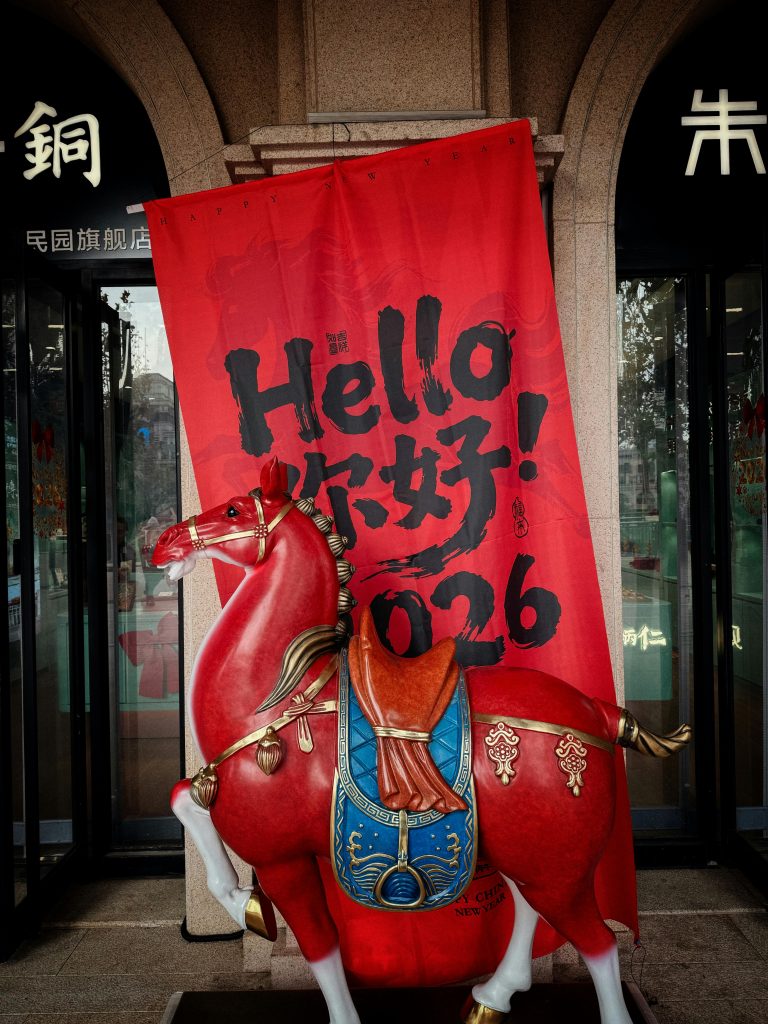
While the world celebrates the solar New Year on January 1st, for billions across the globe—and specifically within the vibrant cultures of Southeast and East Asia—the true beginning of the year follows the ancient rhythm of the moon. Often referred to as Chinese New Year or Spring Festival, this celebration is far more than just fireworks and parades; it is a profound period of renewal, family reunion, and spiritual cleansing.
The Symbolism of Renewal
At its core, the Lunar New Year marks the transition from the cold, dormant winter to the awakening of spring. It is a time to “sweep away the dust” of the past year—both literally and metaphorically. Households are meticulously cleaned to rid them of lingering bad luck, making space for the fresh, auspicious energy of the incoming year.
Red, Gold, and the Power of Luck
If you walk through the streets of Singapore, Hanoi, or Bangkok during this time, you will be immersed in a sea of crimson. Red is the dominant color of the festival, symbolizing fire, vitality, and prosperity. According to ancient legends, red was used to frighten away the mythical beast Nian, and today, it serves as a visual magnet for good fortune.
You’ll see:
- Hong Bao (Red Envelopes): Symbols of passing on luck and wealth from the elderly to the youth.
- Gold Accents: Representing literal and spiritual riches.
- Couplets: Poetic scrolls hung on doorways to welcome blessings.
The Feast of Unity: The Reunion Dinner
The most critical element of the celebration is the Reunion Dinner. On the eve of the new year, family members travel from across the globe to sit at a single table. In a region where many leave their hometowns for work, this meal is the ultimate anchor of identity.
The food served is never accidental; every dish is a homophone for a blessing:
- Fish (Yu): Sounds like “surplus,” ensuring you have more than enough in the coming year.
- Dumplings: Shaped like ancient gold ingots to attract wealth.
- Sticky Rice Cake (Nian Gao): Symbolizing reaching “higher” levels of success each year.
A Cycle of Twelve
The Lunar New Year also marks the transition within the Zodiac cycle. Each year is governed by one of twelve animals—from the clever Rat to the noble Dragon—and one of the five elements. This cycle provides a cultural lens through which people reflect on their personality traits and make predictions for the months ahead.
More Than Just a Day
Depending on the country—whether it’s Tet in Vietnam or Imlek in Indonesia—the celebrations can last anywhere from three to fifteen days, culminating in the Lantern Festival. It is a time when the modern world pauses to honor ancestral roots, reminding us that no matter how fast technology moves, the cycles of nature and the warmth of family remain the ultimate constants.